主動學習
使用不確定性取樣優先標註有價值的樣本。
主動學習通過優先選擇最有資訊量的樣本來幫助您更智慧地標註。不再隨機標註,而是集中於模型最不確定的實例。
工作原理
Potato 的主動學習根據機器學習預測自動重新排序標註實例:
- 初始收集 - 收集最少數量的標註
- 訓練 - 在現有標註上訓練分類器
- 預測 - 獲取未標註實例的不確定性分數
- 重新排序 - 優先選擇不確定性最高的實例
- 標註 - 標註者標註優先實例
- 重新訓練 - 定期用新標註更新模型
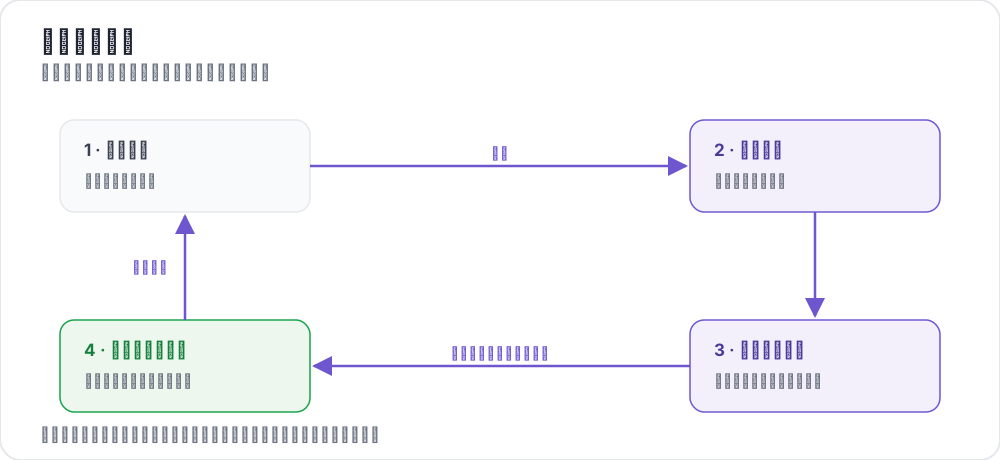 把標註精力用在模型學得最多的地方
配置
基本設定
yaml
active_learning:
  enabled: true
  schema_names:
    - sentiment  # Which annotation schemes to use

  min_annotations_per_instance: 1
  min_instances_for_training: 20
  update_frequency: 50  # Retrain after every 50 annotations
  max_instances_to_reorder: 1000
完整配置
yaml
active_learning:
  enabled: true

  # Which schemas to use for training
  schema_names:
    - sentiment

  # Minimum requirements
  min_annotations_per_instance: 1
  min_instances_for_training: 20

  # Retraining frequency
  update_frequency: 50

  # How many instances to reorder
  max_instances_to_reorder: 1000

  # Classifier configuration
  classifier:
    type: LogisticRegression
    params:
      C: 1.0
      max_iter: 1000

  # Feature extraction
  vectorizer:
    type: TfidfVectorizer
    params:
      max_features: 5000
      ngram_range: [1, 2]

  # Model persistence
  model_persistence:
    enabled: true
    save_dir: "models/"
    max_saved_models: 5
支援的分類器
| 分類器 | 適用場景 | 速度 |
|---|---|---|
LogisticRegression | 二分類/多分類 | 快 |
RandomForestClassifier | 複雜模式 | 中等 |
SVC | 小資料集 | 慢 |
MultinomialNB | 文本分類 | 非常快 |
分類器示例
yaml
# Logistic Regression (recommended starting point)
classifier:
  type: LogisticRegression
  params:
    C: 1.0
    max_iter: 1000

# Random Forest
classifier:
  type: RandomForestClassifier
  params:
    n_estimators: 100
    max_depth: 10

# Support Vector Classifier
classifier:
  type: SVC
  params:
    kernel: rbf
    probability: true

# Naive Bayes
classifier:
  type: MultinomialNB
  params:
    alpha: 1.0
向量化器
| 向量化器 | 描述 |
|---|---|
TfidfVectorizer | TF-IDF 加權特徵(推薦) |
CountVectorizer | 簡單詞頻 |
HashingVectorizer | 大詞彙量的記憶體高效方案 |
yaml
# TF-IDF (recommended)
vectorizer:
  type: TfidfVectorizer
  params:
    max_features: 5000
    ngram_range: [1, 2]
    stop_words: english

# Count Vectorizer
vectorizer:
  type: CountVectorizer
  params:
    max_features: 3000
    ngram_range: [1, 1]

# Hashing Vectorizer (for large datasets)
vectorizer:
  type: HashingVectorizer
  params:
    n_features: 10000
LLM 整合
主動學習可以選擇性地使用 LLM 增強實例選擇:
yaml
active_learning:
  enabled: true
  schema_names:
    - sentiment

  # LLM-based selection
  llm_integration:
    enabled: true
    endpoint_type: vllm
    base_url: http://localhost:8000/v1
    model: meta-llama/Llama-2-7b-chat-hf

    # Mock mode for testing
    mock_mode: false
多方案支援
主動學習可以迴圈使用多個標註方案:
yaml
annotation_schemes:
  - annotation_type: radio
    name: sentiment
    labels: [Positive, Negative, Neutral]

  - annotation_type: radio
    name: topic
    labels: [Politics, Sports, Tech, Entertainment]

active_learning:
  enabled: true
  schema_names:
    - sentiment
    - topic

  # Schema-specific settings
  schema_config:
模型持久化
在伺服器重啟時儲存和重新載入訓練好的模型:
yaml
active_learning:
  enabled: true
  schema_names:
    - sentiment

  model_persistence:
    enabled: true
    save_dir: "models/"
    max_saved_models: 5  # Keep last 5 models

    # Save to database instead of files
    use_database: false
監控進度
管理儀表板跟蹤主動學習指標:
- 當前模型準確率
- 訓練週期數
- 不確定性分佈
- 剩餘實例數
- 重新訓練歷史
通過 /admin 使用管理員 API 金鑰訪問。
最佳實踐
1. 從隨機取樣開始
在啟用主動學習之前獲取初始標註:
yaml
active_learning:
  enabled: true
  min_instances_for_training: 50  # Wait for 50 annotations
2. 選擇合適的分類器
- LogisticRegression:快速,大多數任務的良好預設值
- RandomForest:適合複雜模式,較慢
- MultinomialNB:非常快,適合簡單文本分類
3. 監控類別分佈
主動學習可能導致類別不平衡。在管理儀表板中監控並考慮分層取樣。
4. 設定合理的重新訓練頻率
過於頻繁的重新訓練浪費資源:
yaml
update_frequency: 100 # Retrain every 100 annotations5. 啟用模型持久化
儲存模型以避免重啟後從頭訓練:
yaml
model_persistence:
  enabled: true
  save_dir: "models/"
示例:完整配置
yaml
task_name: "Sentiment Analysis with Active Learning"
task_dir: "."
port: 8000

data_files:
  - "data/reviews.json"

item_properties:
  id_key: id
  text_key: text

annotation_schemes:
  - annotation_type: radio
    name: sentiment
    description: "What is the sentiment?"
    labels:
      - Positive
      - Negative
      - Neutral

active_learning:
  enabled: true
  schema_names:
    - sentiment

  min_annotations_per_instance: 1
  min_instances_for_training: 30
  update_frequency: 50
  max_instances_to_reorder: 500

  classifier:

  vectorizer:

  model_persistence:

output_annotation_dir: "output/"
output_annotation_format: "json"
allow_all_users: true
與 AI 支援結合
同時使用主動學習和 LLM 輔助:
yaml
active_learning:
  enabled: true
  schema_names:
    - sentiment
  min_instances_for_training: 30

ai_support:
  enabled: true
  endpoint_type: openai

  ai_config:
    model: gpt-4
    api_key: ${OPENAI_API_KEY}

  features:
    label_suggestions:
      enabled: true
這種組合在優先選擇不確定實例的同時提供 AI 提示來幫助標註者。
故障排除
訓練失敗
- 確保有足夠的標註(
min_instances_for_training) - 檢查類別分佈 - 需要所有類別的示例
- 驗證資料格式與方案匹配
效能緩慢
- 減少
max_instances_to_reorder - 增加
update_frequency - 對大詞彙量使用
HashingVectorizer
模型未更新
- 檢查
update_frequency設定 - 驗證標註正在儲存
- 檢視管理儀表板中的錯誤
延伸閱讀
有關實現細節,請參閱源文件。