培訓階段
在主要任務之前使用練習題培訓和篩選標註者。
Potato 2.0 包含一個可選的培訓階段,幫助在標註者開始主要標註任務之前對其進行資格篩選。標註者回答具有已知正確答案的練習題,並獲得即時的表現反饋。
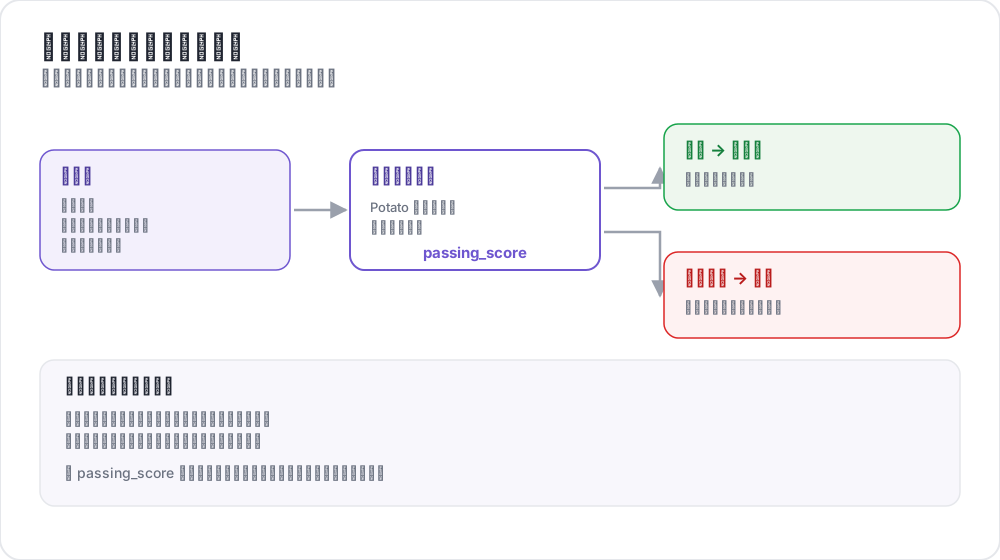 訓練階段如何為標註者把關
用例
- 確保標註者理解任務
- 過濾低品質標註者
- 在真實標註前提供指導性練習
- 收集基線品質指標
- 通過示例教授標註指南
工作原理
- 標註者完成一組培訓題
- 每次回答後獲得即時反饋
- 進度根據通過標準進行追蹤
- 只有通過的標註者才能進入主要任務
配置
基本設定
yaml
phases:
  training:
    enabled: true
    data_file: "data/training_data.json"
    schema_name: sentiment  # Which annotation scheme to train

    # Passing criteria
    passing_criteria:
      min_correct: 8  # Must get at least 8 correct
      total_questions: 10
完整配置
yaml
phases:
  training:
    enabled: true
    data_file: "data/training_data.json"
    schema_name: sentiment

    passing_criteria:
      # Different criteria options (choose one or combine)
      min_correct: 8
      require_all_correct: false
      max_mistakes: 3
      max_mistakes_per_question: 2

    # Allow retries
    retries:
      enabled: true
      max_retries: 3

    # Show explanations for incorrect answers
    show_explanations: true

    # Randomize question order
    randomize: true
通過標準
你可以為培訓階段設定各種通過標準:
最少正確數
yaml
passing_criteria:
  min_correct: 8
  total_questions: 10
標註者必須在 10 題中至少答對 8 題。
要求全部正確
yaml
passing_criteria:
  require_all_correct: true
標註者必須答對每一題才能通過。
最大錯誤數
yaml
passing_criteria:
  max_mistakes: 3
標註者在累計 3 次錯誤後被取消資格。
每題最大錯誤數
yaml
passing_criteria:
  max_mistakes_per_question: 2
標註者在任何單題上犯 2 次錯誤後被取消資格。
組合標準
yaml
passing_criteria:
  min_correct: 8
  max_mistakes_per_question: 3
必須答對 8 題,且任何單題不能錯超過 3 次。
培訓資料格式
培訓資料必須包含正確答案和可選的解釋:
json
[
  {
    "id": "train_1",
    "text": "I absolutely love this product! Best purchase ever!",
    "correct_answers": {
      "sentiment": "Positive"
    },
    "explanation": "This text expresses strong positive sentiment with words like 'love' and 'best'."
  },
  {
    "id": "train_2",
    "text": "This is the worst service I've ever experienced.",
    "correct_answers": {
      "sentiment": "Negative"
    },
    "explanation": "The words 'worst' and the overall complaint indicate negative sentiment."
  },
  {
    "id": "train_3",
    "text": "The package arrived on time.",
    "correct_answers": {
      "sentiment": "Neutral"
    },
    "explanation": "This is a factual statement without emotional indicators."
  }
]
多模式培訓
對於有多個標註模式的任務:
json
{
  "id": "train_1",
  "text": "Apple announced new iPhone features yesterday.",
  "correct_answers": {
    "sentiment": "Neutral",
    "topic": "Technology"
  },
  "explanation": {
    "sentiment": "This is a factual news statement.",
    "topic": "The text discusses Apple and iPhone, which are tech topics."
  }
}
使用者體驗
培訓流程
- 使用者看到"培訓階段"指示器
- 顯示帶標註表單的問題
- 使用者提交答案
- 立即顯示反饋:
- 正確:綠色對勾,進入下一題
- 錯誤:紅色叉號,顯示解釋,重試選項
反饋展示
當標註者回答錯誤時:
- 高亮正確答案
- 顯示提供的解釋
- 出現重試按鈕(如果啟用重試)
- 顯示通過標準的進度
管理員監控
在管理員儀表板中追蹤培訓表現:
- 完成率
- 平均正確答案數
- 通過/失敗率
- 培訓花費時間
- 每題準確率
通過 /admin API 端點訪問:
text
GET /api/admin/training/stats
GET /api/admin/training/user/{user_id}
示例:情感分析培訓
yaml
task_name: "Sentiment Analysis"
task_dir: "."
port: 8000

# Main annotation data
data_files:
  - "data/reviews.json"

item_properties:
  id_key: id
  text_key: text

annotation_schemes:
  - annotation_type: radio
    name: sentiment
    description: "What is the sentiment of this review?"
    labels:
      - Positive
      - Negative
      - Neutral

# Training phase configuration
phases:
  training:


output_annotation_dir: "output/"
output_annotation_format: "json"
allow_all_users: true
示例:NER 培訓
yaml
annotation_schemes:
  - annotation_type: span
    name: entities
    description: "Highlight named entities"
    labels:
      - Person
      - Organization
      - Location
      - Date

phases:
  training:
片段標註的培訓資料:
json
{
  "id": "train_1",
  "text": "Tim Cook announced that Apple will open a new store in New York on March 15.",
  "correct_answers": {
    "entities": [
      {"start": 0, "end": 8, "label": "Person"},
      {"start": 24, "end": 29, "label": "Organization"},
      {"start": 54, "end": 62, "label": "Location"},
      {"start": 66, "end": 74, "label": "Date"}
    ]
  },
  "explanation": "Tim Cook is a Person, Apple is an Organization, New York is a Location, and March 15 is a Date."
}
最佳實踐
1. 從簡單開始
先從簡單的例子開始,再引入邊界情況:
json
[
  {"text": "I love this!", "correct_answers": {"sentiment": "Positive"}},
  {"text": "I hate this!", "correct_answers": {"sentiment": "Negative"}},
  {"text": "It arrived yesterday.", "correct_answers": {"sentiment": "Neutral"}}
]
2. 覆蓋所有標籤
確保培訓包含每個可能標籤的示例:
json
[
  {"correct_answers": {"sentiment": "Positive"}},
  {"correct_answers": {"sentiment": "Negative"}},
  {"correct_answers": {"sentiment": "Neutral"}}
]
3. 編寫清晰的解釋
解釋應該教授標註指南:
json
{
  "explanation": "While this text mentions a problem, the overall tone is constructive and the reviewer expresses satisfaction with the resolution. This makes it Positive rather than Negative."
}
4. 設定合理的標準
不必要時不要要求完美:
yaml
# Too strict - may lose good annotators
passing_criteria:
  require_all_correct: true

# Better - allows for learning
passing_criteria:
  min_correct: 8
  total_questions: 10
5. 包含邊界情況
新增棘手的例子以準備標註者:
json
{
  "text": "Not bad at all, I guess it could be worse.",
  "correct_answers": {"sentiment": "Neutral"},
  "explanation": "Despite negative words like 'not bad' and 'worse', this is actually a lukewarm endorsement - neutral rather than positive or negative."
}
與工作流整合
培訓與多階段工作流整合:
yaml
phases:
  consent:
    enabled: true
    data_file: "data/consent.json"

  prestudy:
    enabled: true
    data_file: "data/demographics.json"

  instructions:
    enabled: true
    content: "data/instructions.html"

  training:
    enabled: true
    data_file: "data/training.json"
    schema_name: sentiment
    passing_criteria:
      min_correct: 8

  annotation:
    # Main task - always enabled
    enabled: true

  poststudy:
    enabled: true
    data_file: "data/feedback.json"
效能注意事項
- 培訓資料在啟動時載入
- 進度按會話儲存在記憶體中
- 對主標註效能影響最小
- 考慮將複雜培訓分為多個階段
延伸閱讀
有關實現細節,請參閱原始碼文件。