標註方案
定義標註者將如何標註您的資料。
標註方案定義了標註者的標註任務。Potato 支援 30 多種標註類型,可以組合建立複雜的標註任務。
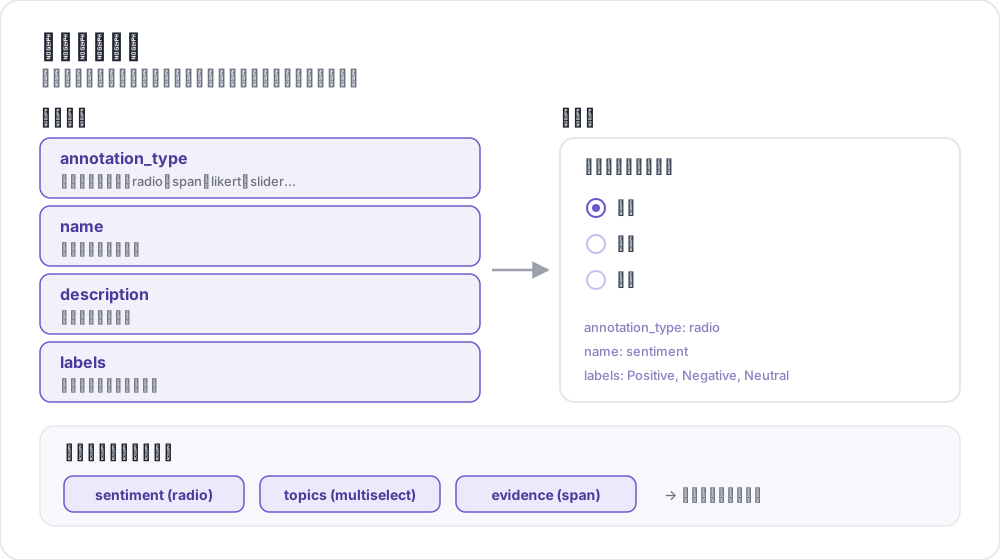 標註方案剖析
基本結構
每個方案在 annotation_schemes 陣列中定義:
yaml
annotation_schemes:
  - annotation_type: radio
    name: sentiment
    description: "What is the sentiment?"
    labels:
      - Positive
      - Negative
      - Neutral
必填欄位
| 欄位 | 描述 |
|---|---|
annotation_type | 標註類型(radio、multiselect、likert、span、text、number、slider、multirate) |
name | 內部識別符號(無空格,用於輸出) |
description | 顯示給標註者的說明 |
支援的標註類型
1. 單選(Radio)
從列表中選擇一個選項:
yaml
- annotation_type: radio
  name: sentiment
  description: "What is the sentiment of this text?"
  labels:
    - Positive
    - Negative
    - Neutral

  # Optional features
  sequential_key_binding:
    Positive: "1"
    Negative: "2"
    Neutral: "3"

  # Or use sequential binding (1, 2, 3... automatically)
  sequential_key_binding: true

  # Horizontal layout instead of vertical
  horizontal: true
2. 李克特量表(Likert Scale)
帶有端點標籤的評分量表:
yaml
- annotation_type: likert
  name: agreement
  description: "How much do you agree with this statement?"
  size: 5  # Number of scale points
  min_label: "Strongly Disagree"
  max_label: "Strongly Agree"

  # Optional mid-point label

  # Show numeric values
3. 多選(Multiselect)
從列表中選擇多個選項:
yaml
- annotation_type: multiselect
  name: topics
  description: "Select all relevant topics"
  labels:
    - Politics
    - Technology
    - Sports
    - Entertainment
    - Science

  # Selection constraints

  # Allow free text response
  has_free_response: true
4. 片段標註(Span Annotation)
高亮並標記文本片段:
yaml
- annotation_type: span
  name: entities
  description: "Highlight named entities in the text"
  labels:
    - PERSON
    - ORGANIZATION
    - LOCATION
    - DATE

  # Visual customization

  # Allow overlapping spans
  allow_discontinuous: false

  # Keyboard shortcuts for labels
  sequential_key_binding: true
5. 滑塊(Slider)
連續數值範圍:
yaml
- annotation_type: slider
  name: confidence
  description: "How confident are you in your answer?"
  min_value: 0
  max_value: 100
  step: 1

  # Endpoint labels

  # Show current value
6. 文本輸入(Text Input)
自由文本回復:
yaml
- annotation_type: text
  name: explanation
  description: "Explain your reasoning"

  # Multi-line input
  rows: 4

  # Character limits

  # Placeholder text
  placeholder: "Enter your explanation here..."

  # Disable paste (for transcription tasks)
7. 數字輸入(Number Input)
帶約束的數字輸入:
yaml
- annotation_type: number
  name: count
  description: "How many entities are mentioned?"
  min: 0
  max: 100
  step: 1
8. 多項評分(Multirate)
在同一量表上對多個項目進行評分:
yaml
- annotation_type: multirate
  name: quality_aspects
  description: "Rate each aspect of the response"

  # Randomize item order

  # Layout options
通用選項
鍵盤快捷鍵
通過鍵盤繫結加速標註:
yaml
# Manual shortcuts
keyboard_shortcuts:
  Positive: "1"
  Negative: "2"
  Neutral: "3"

# Or automatic sequential binding
sequential_key_binding: true  # Assigns 1, 2, 3...
工具提示
為標籤提供懸停提示:
yaml
tooltips:
  Positive: "Expresses happiness, approval, or satisfaction"
  Negative: "Expresses sadness, anger, or disappointment"
  Neutral: "No clear emotional content"
標籤顏色
自定義顏色以進行視覺區分:
yaml
label_colors:
  PERSON: "#3b82f6"
  LOCATION: "#10b981"
  ORGANIZATION: "#f59e0b"
必填欄位
在提交前使方案成為必填項:
yaml
- annotation_type: radio
  name: sentiment
  label_requirement:
    required: true
  labels:
    - Positive
    - Negative
多方案組合
每個實例組合多種標註類型:
yaml
annotation_schemes:
  # Primary classification
  - annotation_type: radio
    name: sentiment
    description: "Overall sentiment"
    labels:
      - Positive
      - Negative
      - Neutral
    label_requirement:
      required: true
    sequential_key_binding: true

  # Confidence rating
  - annotation_type: likert
    name: confidence
    description: "How confident are you?"
    size: 5
    min_label: "Guessing"
    max_label: "Certain"

  # Topic tags
  - annotation_type: multiselect
    name: topics
    description: "Select all relevant topics"
    labels:
      - Politics
      - Technology
      - Sports
      - Entertainment
    has_free_response: true

  # Notes
  - annotation_type: text
    name: notes
    description: "Any additional observations?"
    rows: 4
    label_requirement:
      required: false
高階功能
成對比較
比較兩個項目:
yaml
- annotation_type: pairwise
  name: preference
  description: "Which response is better?"
  labels:
    - label: "Response A"
      value: "A"
    - label: "Response B"
      value: "B"
    - label: "Equal"
      value: "tie"

  # Allow tie selection
  allow_tie: true
最佳-最差縮放
通過選擇最佳和最差來排列項目:
yaml
- annotation_type: bws
  name: ranking
  description: "Select the best and worst items"
  # Items come from the data file
下拉選擇
節省空間的單選:
yaml
- annotation_type: select
  name: category
  description: "Select a category"
  labels:
    - Category A
    - Category B
    - Category C
    - Category D
    - Category E

  # Default selection
資料格式參考
輸入
標註方案與您的資料格式配合使用:
json
{
  "id": "doc_1",
  "text": "This is the text to annotate."
}
輸出
標註以方案名稱為鍵儲存:
json
{
  "id": "doc_1",
  "annotations": {
    "sentiment": "Positive",
    "confidence": 4,
    "topics": ["Technology", "Science"],
    "entities": [
      {"start": 0, "end": 4, "label": "ORGANIZATION", "text": "This"}
    ],
    "notes": "Clear positive sentiment about technology."
  }
}
最佳實踐
1. 清晰的標籤
使用明確、有區分度的標籤:
yaml
# Good
labels:
  - Strongly Positive
  - Somewhat Positive
  - Neutral
  - Somewhat Negative
  - Strongly Negative

# Avoid
labels:
  - Good
  - OK
  - Fine
  - Acceptable
2. 有用的工具提示
為有細微差別的標籤新增工具提示:
yaml
tooltips:
  Sarcasm: "The text says the opposite of what it means"
  Irony: "A mismatch between expectation and reality"
3. 鍵盤快捷鍵
為大批次任務啟用快捷鍵:
yaml
sequential_key_binding: true4. 邏輯順序
始終如一地排列標籤:
- 最常見的放在首位
- 按字母順序排列
- 按強度排列(從低到高)
5. 限制選項數量
過多的選擇會減慢標註速度:
- 單選:2-7 個選項
- 多選:5-15 個選項
- 李克特量表:5-7 個等級
6. 先行測試
在部署之前自己標註幾個示例,以發現:
- 含糊的標籤
- 遺漏的類別
- 不清晰的說明